Knife Maintenance Guide: Keep Your Blade Sharp & Reliable
Knife maintenance is what separates a blade that's still sharp and reliable five years from one that's rusted, dull, and gathering dust in a drawer. Regular care doesn't take long, but it makes a real difference — better cutting performance, less wear on the materials, and a knife that holds up to whatever you use it for. Whether it's a custom piece you had made or a knife you picked up off a shelf, maintenance is what protects that investment over time.
This guide walks through the basics of knife care, how to manage specific knife types, and the mistakes that tend to shorten a blade's lifespan and affect knife maintenance.
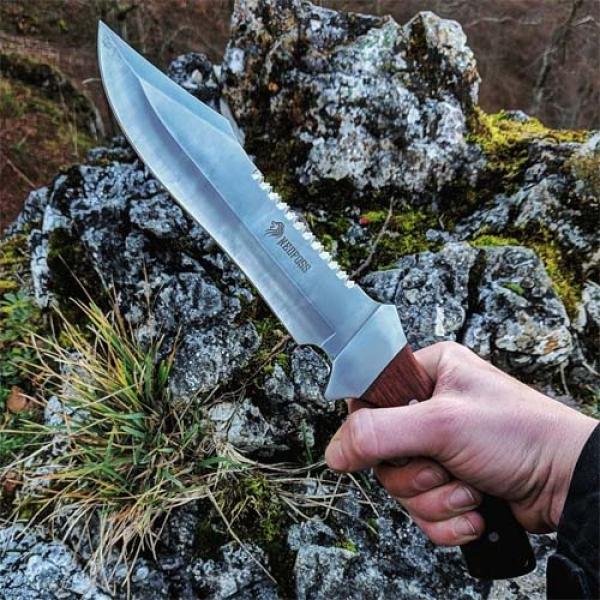
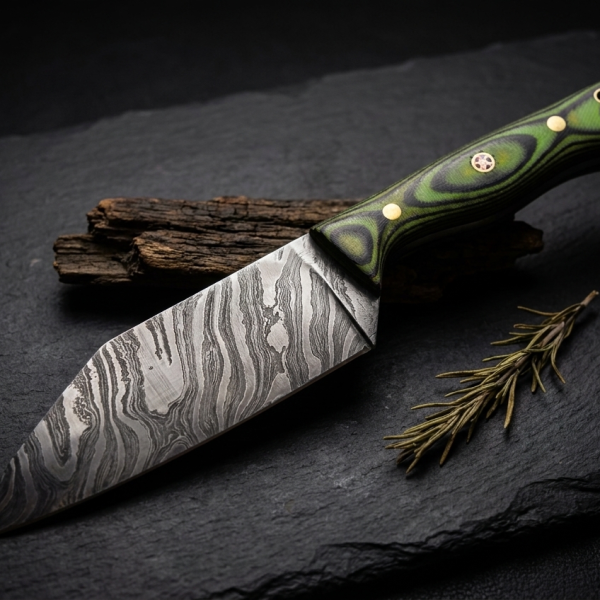
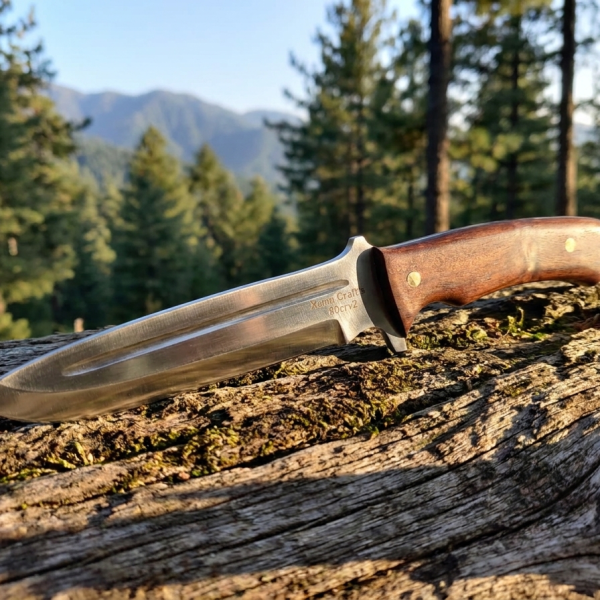
Browse the handmade Damascus knives and outdoor blades designed for long-term performance and easy maintenance.
Knives Worth Maintaining
Why Knife Maintenance Is Important
A blade that isn't cared for doesn't fail all at once. It gradually happens — the edge dulls a little faster each time, moisture sits on the steel a little longer, and eventually a knife that used to cut clean starts dragging through everything.
Routine maintenance keeps cutting performance where it should be, since a well-kept edge does the job with less effort and less risk of slipping. It also keeps corrosion from creeping in, particularly on carbon steel blades that react to moisture if they're left wet or unprotected. Beyond the blade itself, proper care protects handle materials, pivot mechanisms, and any hardware that holds the knife together — all of which wear out faster under neglect than under regular attention.
There's a safety angle here too. A dull knife takes more force to cut with, and more force means more chances for it to slip. Keeping a blade sharp and properly maintained isn't about performance. It's about using the knife safely, every time.
Basic Knife Maintenance Routine
Good knife care doesn't need to be complicated. Most of it comes down to two habits: what you do right after using the knife, and what you check on periodically.
After every use:
- Clean the blade to remove any residue, food, or debris
- Dry it completely — don't let it air dry on its own
- Store it somewhere safe, away from other tools or hardware that could nick the edge
On a regular basis:
- Inspect the blade for chips, discoloration, or early rust spots
- Check that the handle is still secure and hasn't loosened
- Apply a light coat of protective oil, especially on carbon steel
- Sharpen the edge once it starts to feel like it's working harder than it should
Building these into a routine takes a few minutes, and it's the difference between a knife that lasts and one that doesn't.
How to Maintain a Knife Properly
Cleaning
Clean a knife with warm water and mild soap, then dry it right away. Harsh chemicals and abrasive cleaners can strip protective coatings or damage the finish, so it's worth avoiding anything stronger than what you'd use on a dish. Moisture is really the main enemy here — even a clean blade left damp for too long can start to show early rust, particularly with high-carbon steel.
Lubrication
A drop of knife oil on the blade helps protect against moisture and keeps the steel looking the way it should. For folding knives, the pivot point needs its own attention. A small amount of lubricant there keeps the action smooth and prevents the kind of grinding wear that eventually loosens a folding mechanism. This step alone does a lot to prevent rust from forming in the first place.
Inspection
Every so often, look the knife over. Look over the blade for chips or dullness, be sure the handle is snug and free of play, and that all screws and fasteners are secure. Catching a tiny issue early is a lot easier than dealing with it after it's gotten worse.
How to Maintain a Pocket Knife
Pocket knives carry their unique set of maintenance needs, due to the folding mechanism and how much time they spend riding around in a pocket accumulating lint and detritus.
Start cleaning the folding joint itself—pocket lint, dust, and other particles tend to work their way into the pivot area over time, and that accumulation is frequently what makes a knife feel stiff or gritty to open. A simple clean with a soft brush or compressed air will remove most of it. From there, a little dab of lube on the pivot point maintains the operation smoothly.
It's also worth inspecting the screws occasionally for knife maintenance. Since regular opening and closing might work them loose little by bit. And if the knife has a locking mechanism, give it a check too—a lock that doesn't engage fully or feels loose is worth addressing before it becomes a bigger problem.
These same habits apply whether you're maintaining a dedicated pocketknife, a folding knife built for outdoor use, or an EDC knife that gets carried and used daily. The folding mechanism is really the common thread across all three.
Knife Sharpening & Edge Maintenance
Sharpening and honing aren't the same thing, even though people use the terms interchangeably. Honing realigns an edge that's gotten slightly bent out of shape through normal use — it doesn't remove material, just straightens what's there. Sharpening removes a small amount of steel to create a new edge, which is what's needed once honing alone isn't bringing the blade back to where it should be.
Knowing when a knife needs sharpening usually comes down to how it performs. If it's dragging through material that it used to glide through, or if you notice yourself using more pressure than usual, that's the sign.
Maintaining the correct blade angle matters more than most people realize — sharpening at an inconsistent angle wears down the edge unevenly and shortens the life of the blade. A sharpening stone is the most controlled way to manage this at home, though it takes some practice to get a feel for consistent pressure and angle. For knives with real value — Damascus pieces, custom builds, anything with a complex grind — professional sharpening is often worth the cost since it protects both the edge and the blade's finish.
Maintaining Different Knife Types
Every knife benefits from the basics — cleaning, drying, occasional oiling — but a few types need something extra, based on the material or mechanism involved.
Custom Knife Maintenance
A custom knife often combines a specific steel, handle material, and finish chosen for one particular use, so maintenance really depends on what went into the building. That said, a few things apply across most custom pieces.
Check with the specifics of your knife first. A custom Damascus building needs different care than a custom stainless EDC piece — but, keeping the blade dry after use and applying oil periodically protects both the steel and whatever handle material was chosen.
Engraved details and specialty finishes are worth a bit of extra care too since aggressive cleaning can wear down fine detail work overtime. When in doubt, a soft cloth and gentle handling protect a custom piece better than anything abrasive ever will.
Damascus Knife Maintenance
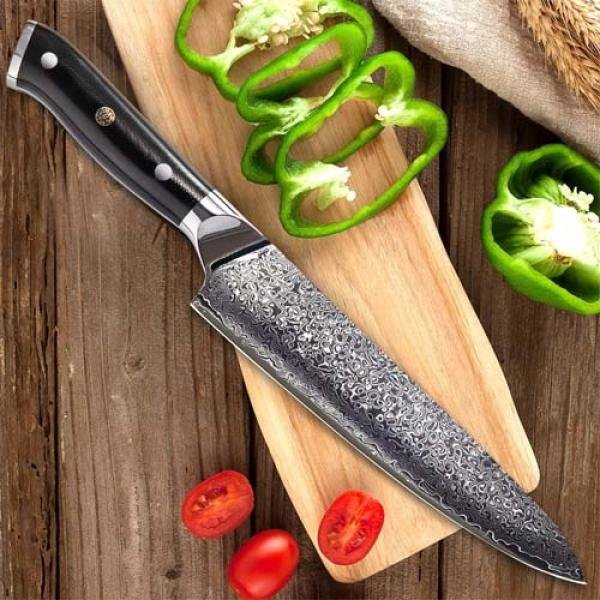
A Damascus knife needs a bit more attention than most, mainly because the pattern itself is part of what you're protecting. It can fade or discolor if the blade is left exposed to moisture for too long.
Regular oil application matters more for knife maintenance than on most other blades. A light coat after cleaning helps prevent oxidation, which is what dulls the contrast in the pattern over time. Keep the blade dry between users and avoid letting it sit wet even briefly.
Folding Knife Maintenance
Folding knives live or die by their pivot. Keeping that pivot lubricated is the single most important habit for this knife type, since a dry or gritty pivot leads to stiff action and eventually more serious wear on the mechanism.
Beyond the pivot, check the lock periodically to make sure it's engaging fully and hasn't developed any wobble. Hardware checks matter too — the screws holding a folder together loosen gradually with regular use and tightening them before they get too loose prevents blade play that can turn into a bigger issue.
EDC Knife Maintenance
EDC knives get used constantly and carried everywhere, which means they pick up lint, dust, and general grime faster than almost any other knife type. That daily wear adds up if it's ignored.
Clean out the pivot area regularly, since pocket debris tends to work its way in and cause the same stiff, gritty action that neglected folding knives develop. A quick wipe-down after heavy use keeps grime from building up on the blade itself. And because an EDC knife often gets pulled out for small, unplanned tasks throughout the day, it's worth checking the edge periodically too. A quick hone keeps it ready rather than finding out it's dull exactly when you need it.
Hunting Knife Maintenance
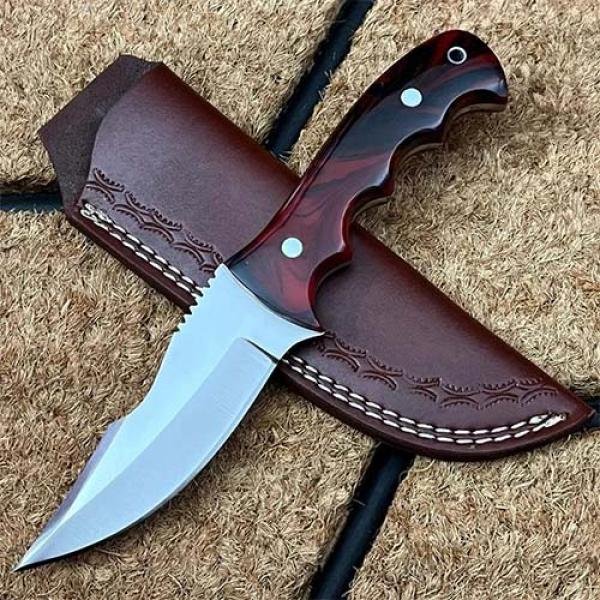
Hunting knives go through more than most blades in a single outing — field dressing, exposure to weather, dirt, and moisture all at once. Cleaning after outdoor use isn't optional here the way it might be for a knife that mostly sits in a drawer.
Remove moisture as soon as you can after use, since a hunting knife often doesn't get proper cleaning until well after it's picked up dirt, blood, or dampness in the field. Protecting the blade with a coat of oil afterward helps offset whatever exposure it had, and it's worth making that a standard step before the knife goes back in its sheath.
Kitchen Knife Maintenance
Kitchen knives wear differently, mostly through daily use against the wrong surface. Proper cutting surfaces make a real difference when taking care of knife care. Wood or soft plastic boards are far easier on an edge than glass, stone, or ceramic, which dull a blade fast regardless of how good the steel is.
Regular sharpening keeps a kitchen knife performing the way it should, since this is the knife type that sees the most repeated use of anything in the collection. Safe storage matters too — a knife block, magnetic strip, or blade guard protects the edge far better than tossing it loose into a drawer with other utensils.
Common Knife Maintenance Mistakes
A few habits show up again, and they're usually what shortens a knife's life faster than normal wear ever would. So, knife care is essential.
Leaving a blade wet is the most common one — even a few minutes of standing moisture can start the corrosion process on unprotected steel. Running a knife through the dishwasher is another; the heat, moisture, and detergent combination is rough on both the blade and the handle material, and it's one of the fastest ways to damage a knife that would otherwise last for years.
Ignoring a dull edge and pushing through with more force is a mistake too, since it's harder on the blade and less safe to use. Storing knives loose, without any protection, invites nicks and edge damage that's easy to avoid with a sheath or blade guard. Incorrect sharpening — wrong angle, inconsistent pressure — can do more harm than good, wearing down an edge unevenly instead of restoring it.
And skipping pivot lubrication on folding knives is what usually leads to that stiff, gritty action people assume just comes with age.
Most of these are easy to avoid once you know to watch for them.
Knife Maintenance Tools
You don’t need a large basic maintenance kit. A sharpening stone is at the heart of edge maintenance, and a honing rod is used for the speedier, more frequent touch-ups between full sharpening. Knife oil prevents moisture from getting to the blade and keeps the folding mechanisms working smoothly. A basic cleaning clothes are enough for regular wipe-downs after use. And a leather sheath, whether supplied with the knife or added later, protects the edge when stored and transported.
The right knife maintenance tools make regular care easier and more consistent. A basic setup usually includes a sharpening stone, honing rod, knife oil, cleaning cloth, and proper storage accessories such as leather sheaths or protective cases.
None of these are extremely expensive, but they cover all the bases that a knife really requires in its life.
Professional Knife Maintenance Tips
Maintain a knife before problems show up, not after. If you wait until a blade is clearly rusty or badly dulled, you have more work to do to bring it back, if it can be brought back at all.
Inspect knives routinely, even ones that don't get daily usage - a knife sitting in storage can still develop rust or handle concerns if it's not checked occasionally. Match the maintenance regimen to the steel type, since high-carbon blades need more regular oiling than stainless ones, and Damascus knives need the extra attention their pattern requires, and keep knives properly between usage – a sheath, a knife block, or a dedicated case does more for a blade's lifespan than most people believe.
Frequently Asked Questions
How often should I maintain my knife?
Basic care — cleaning and drying — should happen after every use. Deeper maintenance, like inspecting hardware and applying oil, is worth doing every few weeks depending on how often the knife gets used.
How do I maintain a pocketknife?
Clean out the folding joint regularly, lubricate the pivot point, and check the screws and locking mechanism periodically to catch any looseness early.
How do I keep my knife sharp?
Hone the edge regularly to keep it aligned and sharpen it with a stone once honing alone isn't restoring the cutting performance. Maintaining a consistent blade angle matters more than how often you sharpen.
How do I prevent knife rust?
Dry the blade completely after every use and apply a light coat of oil, especially on carbon steel. Avoid leaving any knife wet or damp for extended periods.
What oil should I use for knife maintenance?
A dedicated knife oil works best, since it's formulated to protect steel without leaving a residue that attracts dirt. Mineral oil is a reasonable substitute if that's what's on hand.
How do I maintain a Damascus knife?
Keep it dry, apply oil regularly to prevent oxidation, and avoid extended exposure to moisture, since the pattern itself can fade or discolor faster than it would on a plain stainless blade.
How often should a knife be sharpened?
It depends on use, but most knives need sharpening every few months under regular use, or sooner if the edge starts requiring noticeably more effort to cut with.
Start Taking Better Care of Your Knives
A knife that's properly maintained keeps performing the way it did the day you got it, often for years longer than one that isn't. The routine doesn't take much time. It just must happen.
If you're building or refreshing a collection, our team can help you find a knife built to last with the right care behind it or point you toward the accessories that make maintenance easier.
Latest Posts