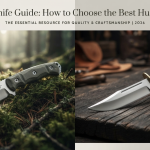
Hunting Knife Guide: How to Choose the Best Hunting Knife
A hunting knife isn't optional gear. It's one of the few tools that must work every time, whether that's field dressing, skinning, or just managing whatever comes up on a trip where nothing's guaranteed to go smoothly.
The right knife really depends on how you hunt and what tasks you're doing in the field. Someone processing large games needs something different than someone mostly managing small games or general camp tasks. Blade quality, steel choice, and overall design all factors in whether a knife holds up when it matters or lets you down halfway through a job.
This guide walks through what makes a hunting knife good, how to think through the buying decision, and what to watch for so you end up with something that performs, not just something that looks the part on a shelf.
Quick Recommendation: Which Hunting Knife Fits Your Style?
| Hunting Style | Recommended Knife |
| Deer Hunting | Drop Point Fixed Blade |
| Elk Hunting | 4–5" Fixed Blade |
| Small Game | Small Drop Point Knife |
| Backpack Hunting | Folding Knife |
| Survival & General Outdoor Use | Large Fixed Blade |
Tip: These recommendations are a great starting point. The best hunting knife depends on your game, environment, and personal preferences. The sections below explain why each knife is suited to its intended use.
What Makes the Best Hunting Knife?
There's no single "best hunting knife" that works for everyone. But a genuinely good one tends to share a handful of traits, regardless of the specific hunting style it's built for.
A durable blade comes first. Hunting knives face real stress — cutting through hide, cartilage, sometimes bones and a blade that can't hold up to that isn't worth carrying. A comfortable grip matters just as much, especially since hunting knives often get used with wet or bloody hands, where a poor grip becomes a real safety issue rather than just an inconvenience.
Strong construction runs through the whole knife, not just the blade. A weak connection between blade and handle, or hardware that loosens under stress, turns a promising knife into an unreliable one fast. Reliable edge retention matters too since field work doesn't leave much room for stopping to resharpen mid-task. Easy maintenance is worth factoring in honestly, since a knife that's a hassle to clean and care for tends to get neglected, and a neglected hunting knife degrades fast given how much abuse it takes.
And proper blade shape ties everything together, since the right profile makes specific hunting tasks noticeably easier, while the wrong one turns simple jobs into a struggle.
Tang construction is worth understanding too since it's one of the more searched considerations for a reason. A full tang means the blade's steel extends the complete length of the handle, sandwiched between two handle scales rather than narrowing into a thin rod. Many hunters prefer full tang knives specifically for the strength it adds — there's no weak point where a thinner tang could snap under heavy use, like prying or buttoning. That said, hidden tang designs, where the tang narrows and sits fully inside the handle, aren't automatically inferior. They tend to suit lighter-duty knives well, and some traditional or custom builds use hidden tang construction specifically for balance or aesthetic reasons. For hunters doing genuinely heavy field work, though, full tang construction is usually the safer bet.
How to Choose a Hunting Knife
Breaking the decision into specific factors makes the whole process a lot less overwhelming.
Hunting purpose comes first. Are you mostly managing small games, large games, or a mix depending on the season? That answer shapes every decision that follows. Knife type — fixed blade or folding — depends heavily on that purpose too, along with how you prefer to carry gear in the field.
Blade length matters more than people expect going in. Too short and certain tasks become difficult; too long and the knife becomes unwieldy for detailed work like skinning. Blade shape affects what specific tasks the knife manages well, which we'll get into in more detail shortly.
Steel type determines edge retention, toughness, and how much maintenance the blade will realistically need. Handle material affects grip security, especially in wet or cold conditions, along with overall comfort during extended use.
Weight and balance matter for anyone carrying a knife through a full day in the field — a knife that feels fine in a store can feel quite different after hours of use. And maintenance requirements are worth being honest about, since a knife that demands constant care doesn't suit everyone's actual habits, however good it performs on paper.
Fixed Blade vs Folding Hunting Knives
This is often the first real decision in choosing a hunting knife, and it shapes a lot of what follows.
Fixed Blade Hunting Knives. These offer stronger construction overall since there's no folding mechanism to introduce a weak point under stress. They're easier to clean thoroughly, since there's no joint or pivot for blood, dirt, or moisture to get trapped in. They manage heavy-duty tasks better as a result, and a lot of experienced hunters prefer fixed blades specifically for that combination of strength and easy maintenance. Fixed blades tend to be the better choice for field dressing, skinning, and general outdoor tasks where reliability under real stress matters more than compact storage.
Folding Hunting Knives. The appeal here is practical: folding knives are compact, easy to carry, and store conveniently compared to a fixed blade that needs a dedicated sheath. They suit general outdoor use and situations where lightweight carry matters more than maximum durability. For hunters who want one knife that pulls double duty as a more general outdoor tool, our folding knives collection is worth a look alongside dedicated hunting blades.
Neither option is universally better. It really comes down to whether raw durability or convenient carry matters more for how you hunt.
Choosing the Right Hunting Knife Blade Shape
Blade shape has a real, practical effect on how well a hunting knife manages specific tasks, beyond just how it looks.
Drop Point Blade. This is the most common and versatile hunting blade shape for good reason. It manages general hunting tasks well, works effectively for field dressing, and manages skinning without the risk of accidentally puncturing through hide or organs that a sharper-pointed blade might create. For hunters who want one knife that manages most situations competently, drop point is usually the safest starting choice.
Clip Point Blade. Featuring a concave curve near the tip, this shape offers more precision for detailed work. It's a strong choice for anyone who needs finer control during specific tasks, though the sharper point does require a bit more care during use compared to a drop point's more rounded profile.
Gut Hook Blade. Built for a specific job — opening an animal's abdomen without risking damage to internal organs. This is a specialized addition rather than a general-purpose feature, useful for hunters who process games regularly and want a dedicated tool for that specific step, though it's less relevant for anyone using a hunting knife primarily for general outdoor tasks.
| Blade Shape | Skinning | Field Dressing | Camp Tasks | Precision |
| Drop Point | ⭐⭐⭐⭐⭐ Excellent | ⭐⭐⭐⭐⭐ Excellent | ⭐⭐⭐⭐ Good | ⭐⭐⭐⭐ Good |
| Clip Point | ⭐⭐⭐⭐ Good | ⭐⭐⭐⭐ Good | ⭐⭐⭐⭐ Good | ⭐⭐⭐⭐⭐ Excellent |
| Gut Hook | ⭐⭐⭐⭐ Good | ⭐⭐⭐⭐⭐ Excellent | ⭐⭐⭐ Fair | ⭐⭐⭐ Fair |
Blade shape genuinely changes what a knife is good at, which is why matching shape to actual intended use matters more than picking based on appearance alone.
Hunting Knife Blade Length
Blade length has a direct effect on what a hunting knife manages well, and getting it right matters more than people expect before using one in the field.
| Blade Length | Best Use |
| 2.5–3.5" | Small game, detailed work |
| 3.5–5" | General hunting, field dressing |
| 5–7" | Large game, heavy-duty outdoor tasks |
Tip: Shorter blades provide better control for precise work, while longer blades offer greater reach and cutting power. For most hunters, a 3.5–5" blade delivers the best balance of versatility, control, and performance.
Best Steel for Hunting Knives
Steel choice affects toughness, edge retention, corrosion resistance, and how easy the blade is to bring back to sharp — and all that matters more here than with almost any other knife type, given what a hunting blade goes through. Our Knife Steel Guide covers the full comparison if you want to go deeper than what's here.
Toughness matters a lot, honestly more than people expect going in. A hunting knife takes real impact and stress out there, nothing like a blade that mostly lives in a kitchen drawer. Edge retention matters too since there's rarely a convenient moment to stop and resharpen mid-task while you're field dressing something. Corrosion resistance becomes relevant fast, given how much moisture and organic material this kind of blade runs into. And ease of sharpening is worth thinking about honestly — a blade that's a pain to bring back to working sharp in the field is a real disadvantage, not just an inconvenience.
Damascus steel brings genuine craftsmanship and a distinctive look to a hunting knife, plus real collector appeal for anyone who wants something that performs well and stands out doing it. Our Damascus Knives collection includes several builds made specifically with hunting in mind.
Carbon steel offers strong durability and excellent edge performance. Long is a favorite among hunters who don't mind the extra upkeep in exchange for reliability when it counts.
Stainless steel gives up a bit of that edge performance in exchange for rust resistance and lower maintenance — appealing if you want something dependable without a demanding care routine, especially useful in wetter hunting environments.
Hunting Knife Handle Materials
The handle decides grip security, comfort, and how well the knife holds up to weather. All that matters is a lot more out in the field than it would for a knife that never leaves the kitchen.
Grip security is critical here specifically. Hunting knives often get used with wet, cold, or bloody hands, and at that point a secure grip stops being a comfort preference and becomes an actual safety issue. Weather resistance matters too — rain, cold, general outdoor exposure, none of which a kitchen knife ever must deal with. Comfort during extended use and overall durability round out what counts in a hunting knife handle.
Wood brings a classic look and a warm feel in the hand, though it needs more care in wet conditions than synthetic options do. Micarta holds up extremely well and keeps its grip even when wet, which makes it a genuinely popular pick for serious hunting use. G10 offers similar durability with strong moisture resistance and reliable texture, another common choice among hunters who care more about function than tradition. Bone and antler, where offered, bring a distinctive, traditional character that plenty of hunters want alongside solid day-to-day performance.
If you're customizing or building your own hunting knife, our Wood Scales collection has premium handle materials worth looking through directly.
Hunting Knife Size Guide
Size changes how well a hunting knife manages specific tasks and getting it wrong is one of the more common mistakes first-time buyers make.
Small hunting knives suit light tasks and small games well, offering more precision where a bigger blade would just be clumsy. Medium hunting knives cover general hunting across a range of tasks, which is really the practical middle ground for anyone who isn't specializing heavily in one type of game. Large hunting knives are built for heavy-duty outdoor work, more cutting power and reach for jobs that genuinely call for it — though that size costs you some precision on finer detail work.
Match the size to what you'll be doing most, not to whatever looks most impressive on a shelf.
Hunting Knife Maintenance
A hunting knife takes more abuse in a single trip than most other knives see in months. That's exactly why maintenance here isn't optional the way it might be for something that mostly sits in a drawer.
Clean it as soon as possible after use. Blood, dirt, moisture left sitting on a blade starts causing problems fast. Dry it thoroughly right after cleaning, since even carbon steel, and stainless to a lesser degree, can start showing rust if left damp for too long. Sharpen regularly so the blade's ready for the next outing, since field work rarely offers a convenient moment to sharpen mid-task. A light coat of oil after cleaning adds real insurance against whatever moisture the blade picked up out there. And proper storage, ideally a sheath that keeps things dry and protected, rounds out what keeps a hunting knife working well season after season.
For the full breakdown, our Knife Maintenance and Knife Care pages go a lot deeper than this section can.
Common Hunting Knife Buying Mistakes
A handful of mistakes come up again. Most are easy enough to avoid once you know to watch for them.
Choosing style over function is the biggest one. A knife can look genuinely impressive and still be poorly suited to real field use. Buying the wrong blade size, too big or too small for what you're doing, leaves you with something either unwieldy or underpowered. Ignoring steel quality in favor of price or looks often means giving up the toughness and edge retention that matter most when you're out there using it.
Uncomfortable handles are easy to miss when buying online instead of holding the knife first, but grip comfort matters more than most people realize once you're a few hours into using it. And skipping over maintenance needs tends to backfire later, when a beautiful but demanding blade doesn't get the care, it needs and starts showing it.
Hunting Knife Buying Checklist
Before buying, running through a short list helps sidestep most of the mistakes above.
- Hunting purpose — what game and tasks is this knife for?
- Blade style — drop point, clip point, or something more specialized like a gut hook?
- Steel type — Damascus, carbon, or stainless, based on what matters most to you?
- Manage material — wood, Micarta, G10, or bone and antler?
- Blade length — sized right for the game and tasks you manage most?
- Weight and balance — comfortable for a full day of carry and use?
- Maintenance requirements — realistic for how much care you'll put in?
It takes a few minutes to run through and saves a lot of regret afterward.
Check Local Knife Laws
Before buying or carrying a hunting knife, it's worth checking the regulations that apply where you'll use it. Blade length restrictions vary by location, and what's legal to carry in one state, province, or country can be restricted in another. Carry laws differ too — some places distinguish between fixed blades and folding knives, or between open and concealed carry. This isn't legal advice, just a reminder that hunters should always confirm current local regulations before buying or heading out, since rules can vary significantly and change over time.
Hunting Knife Safety Tips
A few habits go a long way toward using a hunting knife safely in the field.
Always cut away from your body, never toward it, especially during field dressing where footing and grip can get slippery. Always use a secure grip and be extra mindful of this when hands are wet, cold, or bloody. Carry the knife in a sheath when it's not in use, rather than loose in a pack or pocket. Clean the blade after processing game, both for hygiene and to prevent residue from affecting the steel. And keep the edge sharp — a dull blade increases the risk of slipping, since it takes more pressure to cut, and more pressure means less control if the blade skips off target.
Frequently Asked Questions
What is the best hunting knife?
Honestly, there isn't one single answer. It depends on hunting style, the game you typically manage, and personal preference around blade type, steel, and handle. A knife well-matched to your actual use beats a generically "top-rated" one every time.
How do I choose a hunting knife?
Start with what you're hunting and doing with the knife, then work through knife type, blade shape, steel, handle material, size, and maintenance in that order. Each decision builds on the last one.
What blade shape is best for hunting?
Drop point covers the most ground for general hunting, field dressing, and skinning. Clip point suits more detailed work. Gut hook serves one specific job and isn't necessary for everyone.
Is Damascus steel good for hunting knives?
Yes, particularly if craftsmanship and appearance matter to you alongside solid performance. It just needs more upkeep than plain stainless, which is worth weighing.
What size hunting knife should I buy?
Depends on the game and tasks. Smaller blades suit light work and small game. Medium sizes cover general hunting well. Larger blades manage heavier outdoor tasks.
Are fixed blade knives better for hunting?
For heavy tasks like field dressing and skinning, yes, generally, mostly because they're more durable and easier to clean thoroughly. Folding knives win on convenient carry instead.
How often should I sharpen a hunting knife?
Varies by use, but a lot of hunters sharpen before a major trip and touch up the edge as needed during it, since field conditions dull a blade faster than everyday indoor use would.
What steel is best for a hunting knife?
Toughness and edge retention matter most, which is why carbon steel and certain tool steel are popular. Stainless is still a solid choice if low maintenance matters more to you than squeezing out maximum edge performance.
Find Your Hunting Knife
Choosing a hunting knife really comes down to matching it to how you hunt, not picking based on looks or some generic "best" list that doesn't know anything about your specific needs. Purpose, blade shape, steel, handle materials, they all work together, and getting each one right makes a real difference once you're out there.
If you're ready to see all of that come together in a finished knife, our hunting knife collection runs from versatile drop point designs all the way to fully custom builds made around your specific style of hunting.
Latest Posts